

Smothered Chicken is basically the reason mashed potatoes exist. And if you’re tired of dry chicken breasts, this is your recipe because the chicken cooks right in onion gravy and stays juicy and tender. It’s a simple skillet dinner, but it feels like real comfort food. The kind of meal that makes everyone very interested in what’s for dinner.

The Kind Of Dinner That Fixes A Bad Day
Chicken breasts have disappointed a lot of people over the years. Too dry, too bland, too easy to overcook, and suddenly dinner feels like punishment. That’s exactly why this Smothered Chicken deserves a spot at your table, because once you tuck that chicken into a skillet full of buttery onions and gravy, all those dry chicken problems go right out the window.
And once you’ve got that gravy going, you may as well make mashed potatoes too, because this is not the time for restraint. This is the kind of dinner that makes the kitchen smell so good people start showing up early with questions and empty plates. It’s easy enough for a weeknight, but it tastes like the sort of meal that ought to come with a nap afterward.

Why You Need To Make This Smothered Chicken
- It solves the dry chicken breast problem.
- It turns simple chicken into real comfort food.
- It gives you a really good reason to make mashed potatoes.
- Everything cooks in one skillet, which means fewer dishes.
- It uses simple ingredients you probably already have.
- It’s perfect when people show up hungry.
- It’s easy enough for a weeknight but good enough for Sunday dinner.
- The gravy alone is worth making this recipe.
- Leftovers are just as good the next day. It feels like a proper home cooked meal, not just another chicken dinner.
What You’ll Need (Nothing Fancy, Just Good Stuff)
This is one of those recipes that uses very normal ingredients but somehow turns them into something that tastes like you worked a lot harder than you did. Nothing complicated here, just good basic cooking.

- Chicken breasts or thighs: You can use either, but this is a great recipe for chicken breasts because the gravy keeps them juicy and tender instead of dry. If you’re a thigh person, those work beautifully too and are even harder to overcook.
- Onion: This is where a lot of the flavor comes from. The onions cook down in butter and get soft and slightly sweet, and they basically become part of the gravy. Don’t rush this step because the onions are doing a lot of work here.
- Butter: Butter and onions are always a good idea. The butter helps the onions cook down and gives the gravy that rich, comforting flavor.
- Flour: This thickens the gravy. You cook it with the onions for a minute so the gravy doesn’t taste like raw flour and ends up smooth and creamy.
- Chicken broth: This is the base of the gravy. Use low sodium if you can so you can control the salt later.
- Heavy cream: This makes the gravy a little creamy and extra comforting. It’s not a huge amount, but it makes a big difference.
- Worcestershire sauce: Just a little bit adds a deeper, savory flavor to the gravy. It doesn’t taste like Worcestershire, it just makes everything taste better.
- Dried thyme: Adds a little warmth and flavor without being overpowering.
- Parsley: Totally optional, but it makes everything look a little fresher and nicer when you serve it.
Substitutions And Variations
This is one of those recipes you can adjust depending on what you have in the fridge, and it still turns out really good. The gravy is very forgiving, and the chicken works with a lot of different flavors.
- Use chicken thighs instead of breasts: If you’re worried about overcooking chicken breasts, boneless skinless chicken thighs are a great option. They stay juicy and have a little more flavor, and they work beautifully with this onion gravy.
- Add mushrooms: Mushrooms are fantastic in this recipe. Slice them and cook them with the onions so they soak up all that butter and flavor, then continue with the gravy as written.
- Add bacon: If you want to make this even better, cook a few slices of chopped bacon first, remove it, then cook the chicken and onions in the bacon fat. Stir the bacon back into the gravy at the end. It’s not necessary, but it’s definitely not a bad idea.
- Make it without cream: You can leave out the heavy cream and just use a little extra chicken broth. The gravy will still be delicious, just a bit lighter and more like a traditional brown onion gravy.
- Use milk instead of cream: If you don’t have heavy cream, a splash of milk works fine. The gravy won’t be quite as rich, but it will still be very good.
- Add garlic powder or onion powder: If you want a little extra flavor in the gravy, you can add a pinch of garlic powder or onion powder along with the thyme.
- Make it a bigger batch: This recipe doubles really well if you’re feeding more people. Just use a large skillet or a Dutch oven so everything has room to cook properly.
- Make it more like a casserole: You can make the chicken and gravy, then pour everything into a baking dish and finish it in the oven. This works well if you’re making a big batch for a crowd.

Common Mistakes To Avoid
This is an easy recipe, but a few small mistakes can make a big difference in how it turns out. Most of them are easy to avoid once you know what to watch for.
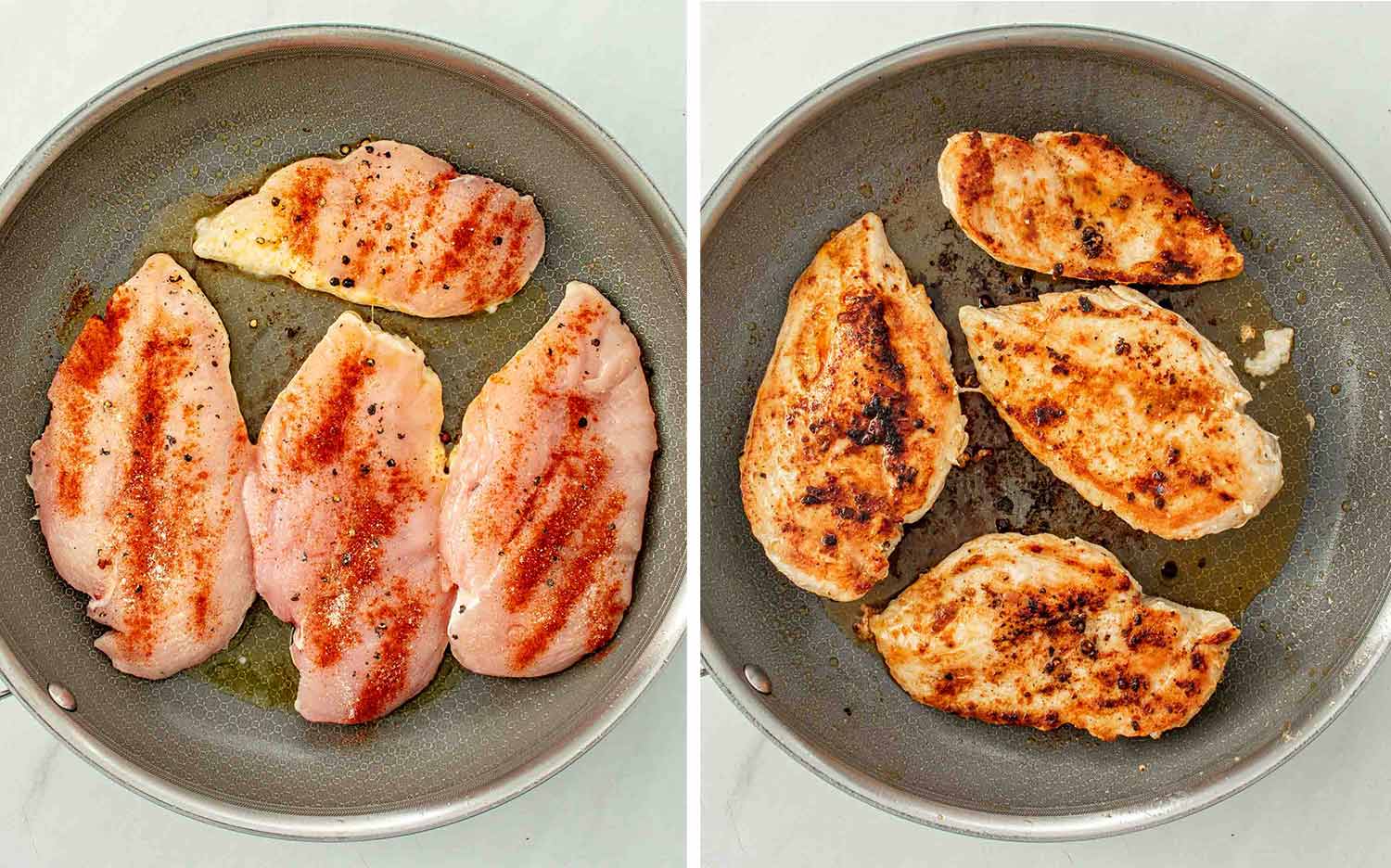
- Overcooking the chicken: Chicken breasts can go from juicy to dry pretty fast, so don’t cook them all the way through when you first brown them. You just want a nice golden color on both sides. The chicken will finish cooking later in the gravy and stay much more tender that way.
- Not browning the chicken: That golden crust on the chicken adds a lot of flavor to the whole dish, and it also leaves little brown bits in the pan that make the gravy taste better. If the chicken looks pale, give it a little more time in the skillet before taking it out.
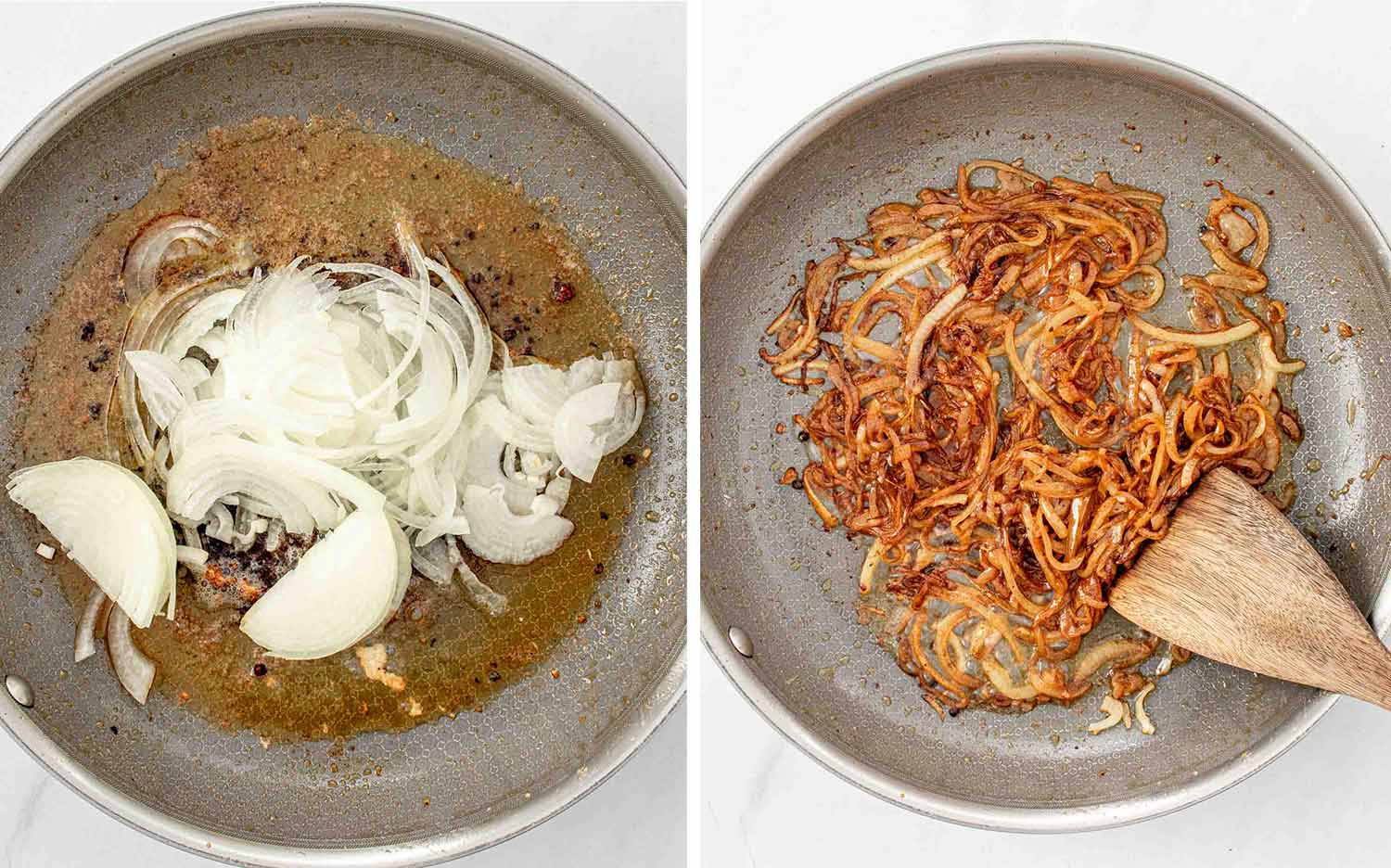
- Rushing the onions: The onions need a good 8 to 10 minutes to soften and start turning slightly golden. If you rush this step, the gravy won’t have as much flavor. The onions are doing a lot of the work in this recipe.
- Adding the broth too fast: When you add the chicken broth, pour it in slowly while stirring so the flour mixes smoothly and you don’t end up with lumps in the gravy.
- Gravy too thick or too thin: If the gravy gets too thick, just add a splash of chicken broth or water. If it’s too thin, let it simmer a few extra minutes uncovered and it will thicken up.
- Not tasting the gravy before serving: Always taste the gravy before you serve it and adjust salt and pepper if needed. A small pinch of salt at the end can make the whole dish taste better.
- Crowding the pan: If the chicken is packed too tightly in the skillet, it will steam instead of brown. If needed, brown the chicken in batches so you get good color on it.

What To Serve With Smothered Chicken
- Mashed potatoes: This is the obvious choice and probably the best one. A big scoop of mashed potatoes with smothered chicken and gravy over the top is about as good as dinner gets. This would be perfect with my Caramelized Onion & Gruyère Mashed Potatoes if you want to make this meal extra special.
- Rice: Plain white rice, brown rice, or even buttery rice all work really well because the gravy soaks right in.
- Buttered noodles: Egg noodles with a little butter, salt, and pepper are fantastic with this chicken and gravy.
- Biscuits or dinner rolls: If you don’t feel like making potatoes or rice, just serve this with warm biscuits or dinner rolls so you can mop up the gravy.
- Roasted vegetables: Roasted carrots, green beans, broccoli, or Brussels sprouts are great on the side to balance out the richness of the gravy.
- Simple salad: If you want something fresh on the table, a simple green salad with a light vinaigrette works really well with this meal.

Frequently Asked Questions
Yes, absolutely. Chicken thighs work really well in this recipe and are even harder to overcook than chicken breasts. The cooking time will be about the same, and the gravy works beautifully with thighs.
The key is not to cook them all the way through when you first brown them. Just brown both sides, then let them finish cooking slowly in the gravy. That’s what keeps them juicy and tender.
Yes, this is actually a great make ahead meal. You can cook everything, let it cool, then store it in the fridge and reheat it gently on the stove. The gravy may thicken in the fridge, so just add a splash of chicken broth or water when reheating.
Yes. Let it cool completely, then store it in an airtight container and freeze for up to 3 months. Thaw in the fridge overnight and reheat slowly on the stove. You may need to add a little broth or milk to loosen the gravy.
Just add a splash of chicken broth, milk, or even water and stir until it loosens up.
Let it simmer uncovered for a few more minutes and it will thicken. You can also mix 1 teaspoon flour with a little water and stir it in if needed.
Yes, mushrooms are fantastic in this. Add sliced mushrooms when you cook the onions and continue the recipe as written.
Yes. After you make the gravy and add the chicken back to the pan, you can cover it and bake at 350°F for about 20 to 25 minutes until the chicken is cooked through.
The chicken should reach an internal temperature of 165°F. If you don’t have a thermometer, cut into the thickest part and make sure it’s no longer pink and the juices run clear.
About 3 to 4 days in an airtight container.

Try These Recipes Next
- Tuscan Pork Tenderloin Sheet Pan Dinner
- Creamy Garlic Parmesan Chicken
- White Chicken Lasagna Roll Ups
- Old-Fashioned Beef Tips and Noodles
- Sticky Maple Dijon Drumsticks

Smothered Chicken
Ingredients
Chicken
- 4 boneless skinless chicken breasts, or thighs
- 1 teaspoon salt
- ½ teaspoon black pepper
- 1 teaspoon paprika
- 1 teaspoon garlic powder
- 2 tablespoons olive oil
Smothered Onion Gravy
- 3 tablespoons butter
- 1 large onion, thinly sliced
- 2 cloves garlic , minced
- 3 tablespoons all-purpose flour
- 2 cups chicken broth, low sodium
- ½ cup heavy cream
- 1 teaspoon Worcestershire sauce
- ½ teaspoon dried thyme
- ½ teaspoon black pepper
- salt, to taste
- fresh parsley, chopped for garnish
Instructions
- Season 4 chicken breasts on both sides with 1 teaspoon salt, ½ teaspoon black pepper, 1 teaspoon paprika, and 1 teaspoon garlic powder.

- Heat 2 tablespoons olive oil in a large skillet over medium-high heat. Add the chicken and cook for 5 to 6 minutes per side, until golden brown. The chicken does not need to be fully cooked at this stage. Remove from the skillet and set aside.
- Reduce the heat to medium and add 3 tablespoons butter to the same skillet. Once melted, add 1 sliced onion and cook for 8 to 10 minutes, stirring often, until soft and lightly caramelized.
- Stir in 2 minced garlic cloves and cook for 30 seconds, just until fragrant.
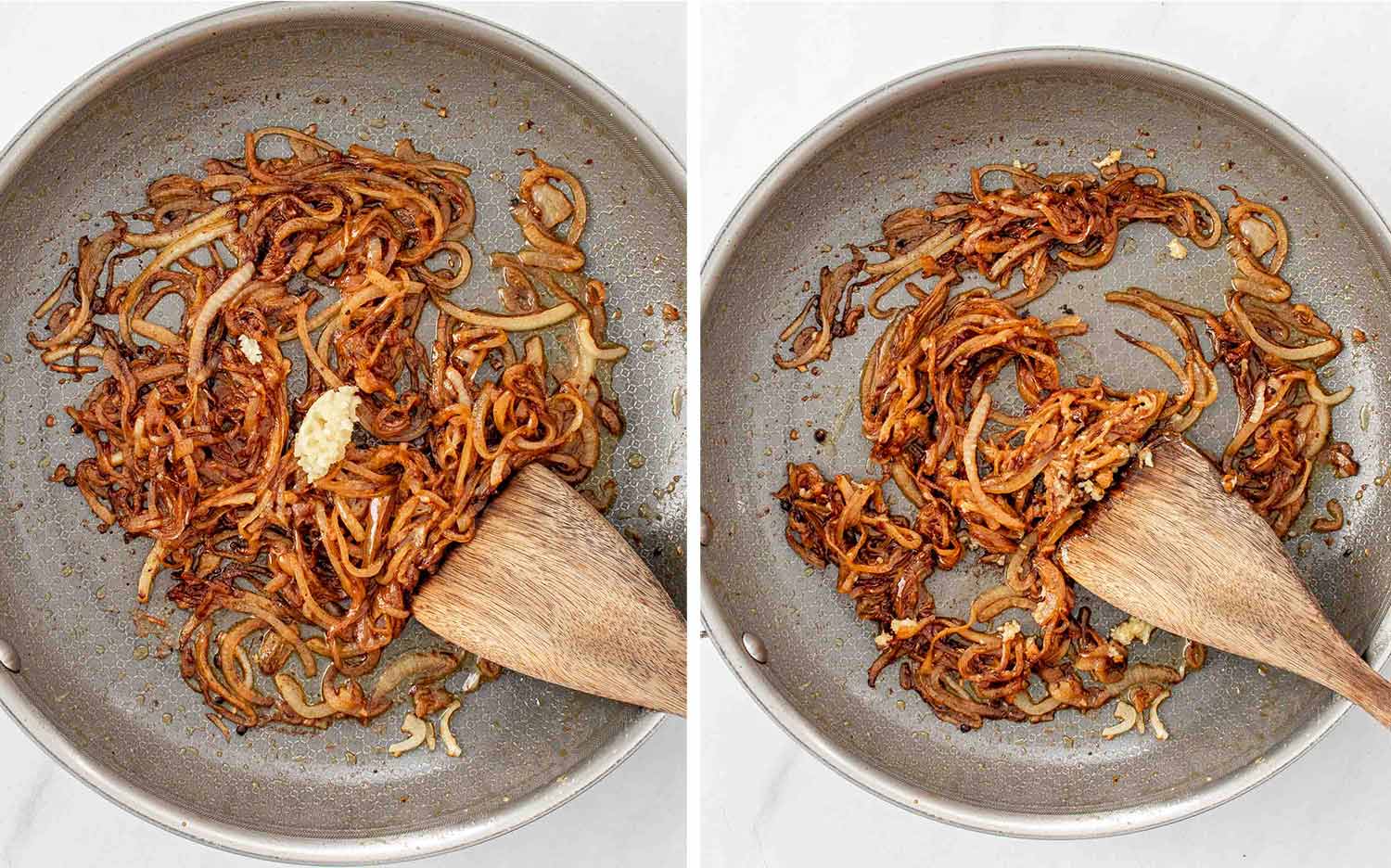
- Sprinkle 3 tablespoons flour over the onions. Stir constantly for 1 minute to cook out the raw flour taste.

- Slowly pour in 2 cups chicken broth, stirring as you go. Let the gravy simmer for 3 to 4 minutes, until thickened.
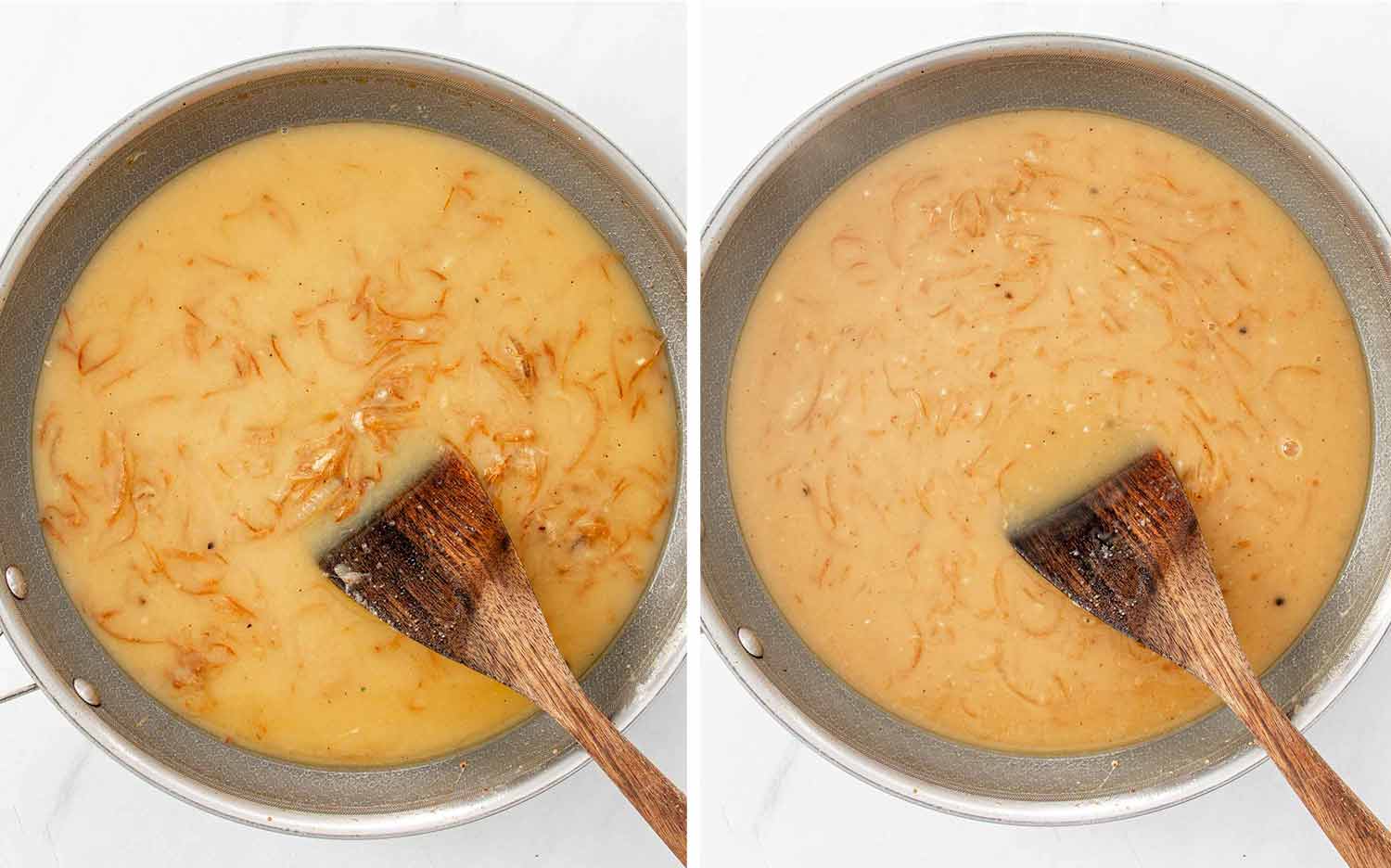
- Stir in ½ cup heavy cream, 1 teaspoon Worcestershire sauce, ½ teaspoon dried thyme, and ½ teaspoon black pepper. Taste and adjust salt as needed.

- Return the chicken to the skillet, nestling it into the gravy. Spoon the sauce over the top, reduce the heat to low, cover, and simmer for 15 minutes, until the chicken is fully cooked and tender.

- Garnish with chopped parsley and serve hot.
Recipe Notes
- You can use boneless skinless chicken breasts or chicken thighs for this recipe. Thighs will be even more forgiving and harder to overcook.
- Don’t cook the chicken all the way through when browning it. It will finish cooking in the gravy and stay much more tender.
- If the gravy gets too thick, add a splash of chicken broth, milk, or water to loosen it.
- If the gravy is too thin, let it simmer a few extra minutes uncovered until it thickens.
- This recipe is great served over mashed potatoes, rice, buttered noodles, or with biscuits to soak up the gravy.
- Leftovers keep well in the fridge for 3 to 4 days and reheat best on the stove over low heat.
- You can add mushrooms or a little cooked bacon to the gravy for extra flavor.
- This recipe doubles well if you’re feeding more people.






Leave a Reply